

El Internet de las Cosas (IoT): La Conexión de Todo en la Era Digital
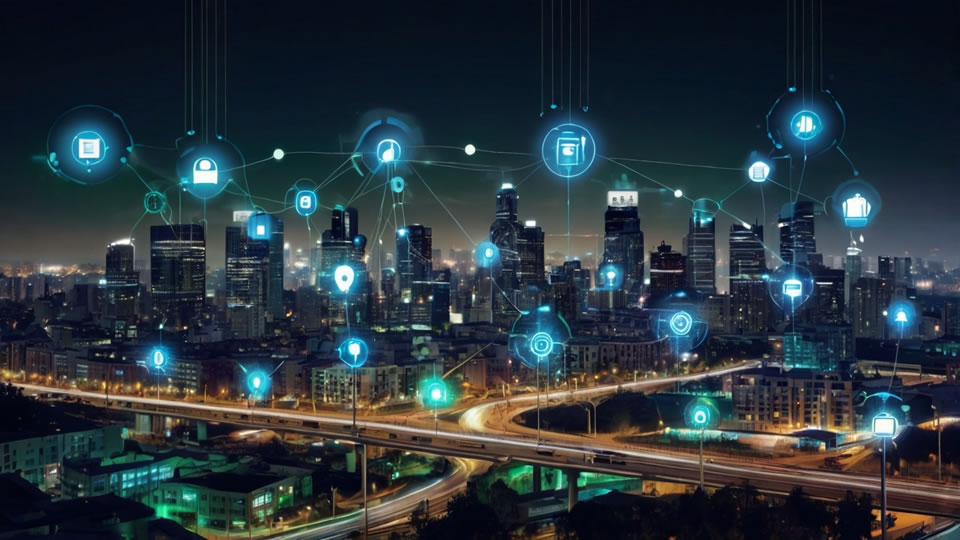
En la última década, el Internet de las Cosas (IoT, por sus siglas en inglés) ha revolucionado la forma en que interactuamos con el mundo. Desde hogares inteligentes hasta ciudades conectadas, IoT ha cambiado nuestra manera de vivir, trabajar y comunicarnos. Este avance tecnológico no solo está transformando industrias, sino que también está redefiniendo el concepto de conectividad.
En este artículo, exploraremos en profundidad qué es IoT, cómo funciona, sus aplicaciones actuales, desafíos, y qué depara el futuro para esta innovadora tecnología.
¿Qué es el Internet de las Cosas (IoT)?
El Internet de las Cosas se refiere a la interconexión de dispositivos cotidianos a través de Internet, permitiéndoles recopilar, enviar y recibir datos. Estos dispositivos van desde electrodomésticos como neveras y bombillas, hasta máquinas industriales, automóviles y sensores urbanos.
La clave de IoT está en la comunicación entre dispositivos. Mediante sensores y software, estos objetos "inteligentes" recopilan datos para optimizar procesos, reducir costos y mejorar la calidad de vida.
Cómo Funciona IoT
IoT combina varias tecnologías clave para funcionar:
◉ Sensores: Capturan información del entorno, como temperatura, movimiento o luz.
◉ Conectividad: Utilizan redes Wi-Fi, Bluetooth o 5G para transmitir datos.
◉ Plataformas en la nube: Almacenan y procesan los datos recopilados.
◉ Inteligencia Artificial (IA): Analiza los datos para tomar decisiones y automatizar tareas.
Por ejemplo, un termostato inteligente puede aprender tus hábitos y ajustar automáticamente la temperatura de tu hogar para maximizar el confort y minimizar el consumo energético.
Aplicaciones del IoT en la Vida Cotidiana
Hogares Inteligentes
Los hogares inteligentes representan una de las implementaciones más visibles de IoT. Desde asistentes virtuales como Alexa o Google Home hasta sistemas de seguridad conectados, estos dispositivos hacen que nuestra vida sea más cómoda y segura.
Salud Conectada
Dispositivos como relojes inteligentes y monitores de salud recopilan datos sobre el ritmo cardíaco, niveles de oxígeno y actividad física, permitiendo diagnósticos en tiempo real y monitoreo remoto de pacientes.
Ciudades Inteligentes
IoT está transformando las ciudades. Semáforos inteligentes, sistemas de gestión de basura y sensores de calidad del aire están mejorando la eficiencia de los servicios públicos.
Industria y Logística
En el sector industrial, IoT optimiza la producción, el mantenimiento predictivo y la gestión de inventarios mediante dispositivos interconectados.
Impacto Económico del IoT
Un estudio del McKinsey Global Institute (MGI), titulado "Unlocking the Potential of the Internet of Things", estima que el IoT podría generar un impacto económico global de entre $3.9 y $11.1 billones anuales para 2025. Este rango depende de factores como la adopción empresarial y la interoperabilidad tecnológica. Las empresas que implementen IoT tendrán ventajas competitivas significativas, como la reducción de costos, la mejora de la productividad y la capacidad de ofrecer experiencias personalizadas a los clientes.
Desafíos del IoT
A pesar de sus beneficios, IoT enfrenta varios desafíos:
◉ Seguridad y privacidad: Con millones de dispositivos conectados, proteger los datos sensibles es una prioridad crítica.
◉ Interoperabilidad: La falta de estándares universales dificulta la comunicación entre dispositivos de diferentes fabricantes.
◉ Costo inicial: Implementar soluciones IoT puede ser costoso para pequeñas y medianas empresas.
El Futuro del IoT
El futuro de IoT incluye avances como redes 6G, mayor integración con IA, y dispositivos aún más autónomos. Se prevé que IoT desempeñe un papel fundamental en la creación de "metaversos" conectados y en la expansión de ciudades inteligentes sostenibles.
Deja un comentario